
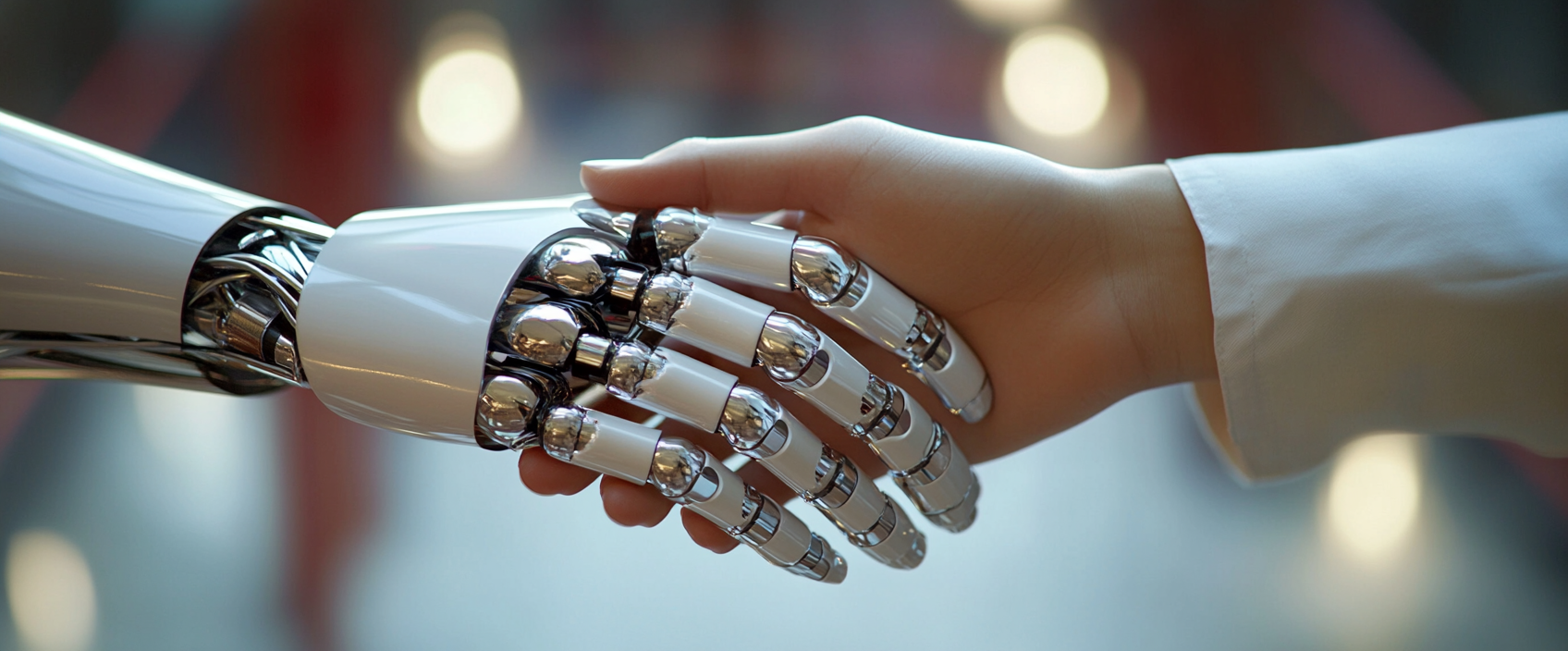
In the world of healthcare and wellness, effective communication is key to building trust, retaining patients, and driving engagement. But how do you balance personalization (making each message feel tailored and relevant) with automation (saving time and ensuring consistency at scale)?
Lean too heavily on automation, and your messages may feel robotic and impersonal. Go too far with personalization, and your team may struggle to keep up with patient outreach.
The key is to blend both approaches strategically, so your communication feels human, helpful, and efficient.
Why Both Personalization & Automation Matter
🎯 Personalization makes patients feel valued and understood, increasing engagement and retention.
⚙️ Automation ensures no patient slips through the cracks and allows for scalable communication.
When used together, they create a seamless patient experience—one that feels both personal and efficient.
How to Strike the Right Balance
1. Start with Smart Segmentation
Effective personalization begins with segmentation—grouping your patients based on relevant criteria, such as:
🔹 New vs. returning patients – Tailor messaging based on familiarity with your practice.
🔹 Type of service – A chiropractor’s patients have different needs than a mental health client.
🔹 Engagement level – Some patients need reminders; others need in-depth education.
🔹 Life stage or condition – Pregnant patients, athletes, or post-surgery patients may need different content.
💡 Example: A physical therapy clinic automatically segments patients who have completed a treatment plan and sends them a personalized follow-up email with at-home care tips.
2. Automate Routine Touchpoints (While Keeping Them Human)
Some messages must be automated to ensure efficiency—but that doesn’t mean they have to sound robotic. Use friendly, conversational language to keep things personal.
💌 Where to Automate (with a Personal Touch):
✅ Appointment reminders – “Hi [First Name], just a friendly reminder about your appointment on [Date] at [Time]. Looking forward to seeing you!”
✅ Post-visit follow-ups – “Hope you’re feeling better! Let us know if you have any questions after your session.”
✅ Birthday & milestone messages – “Happy birthday, [First Name]! Wishing you a year of health and happiness.”
✅ Re-engagement emails – “We haven’t seen you in a while! Schedule your next visit and stay on track with your wellness goals.”
💡 Example: A wellness coach sets up an automated welcome sequence for new clients, but each email feels warm, supportive, and written just for them.
3. Use Dynamic Content for Personalized Messaging
Dynamic content lets you customize emails and SMS messages automatically based on patient data.
🔹 First names – Always include their name for a personal touch.
🔹 Recent visits – Reference their last appointment or service.
🔹 Location-based details – Provide info relevant to their nearest clinic.
🔹 Health interests – Tailor content based on past engagement.
💡 Example: A mental health practice sends an automated email after a patient’s first therapy session, thanking them and offering a guide on what to expect next.
4. Blend Automated Sequences with Manual Outreach
For high-value interactions, personal, one-on-one outreach can make a huge difference.
✅ When to Use Manual Outreach:
🔹 Addressing complex patient concerns
🔹 Responding to negative feedback or dissatisfaction
🔹 Following up on urgent patient needs
🔹 Delivering high-touch concierge services
💡 Example: A nutritionist uses automated weekly check-ins but personally reaches out to patients who haven’t logged their meals in over a week.
5. Track Performance & Adjust as Needed
Balancing personalization and automation isn’t a set-it-and-forget-it process. Monitor how patients engage with your messaging and adjust accordingly.
📊 Key Metrics to Watch:
✔ Email open rates – Are people engaging with your content?
✔ Click-through rates – Are they taking the desired action?
✔ Response rates – Are patients replying or interacting?
✔ Unsubscribes – Are you sending too much, too little, or the wrong type of content?
💡 Example: A wellness retreat center notices that highly personalized emails generate higher engagement than generic automated messages, so they tweak their sequences to include more dynamic content.
Final Thoughts: Finding Your Ideal Mix
The right balance of personalization and automation will depend on your practice, your patients, and your available resources.
✅ Start small – Automate your most repetitive tasks first.
✅ Use segmentation to deliver relevant messages.
✅ Keep automated messages warm & conversational.
✅ Blend automated workflows with personal touchpoints.
✅ Monitor performance and tweak your approach.
By thoughtfully combining automation with personalization, your healthcare or wellness business can provide meaningful, efficient patient communication—without sacrificing the human touch that makes your practice stand out.
💡 Need help setting up a communication strategy that balances automation and personalization? Let’s chat about how I can help streamline your marketing while keeping it engaging and patient-centered. Contact me today!